
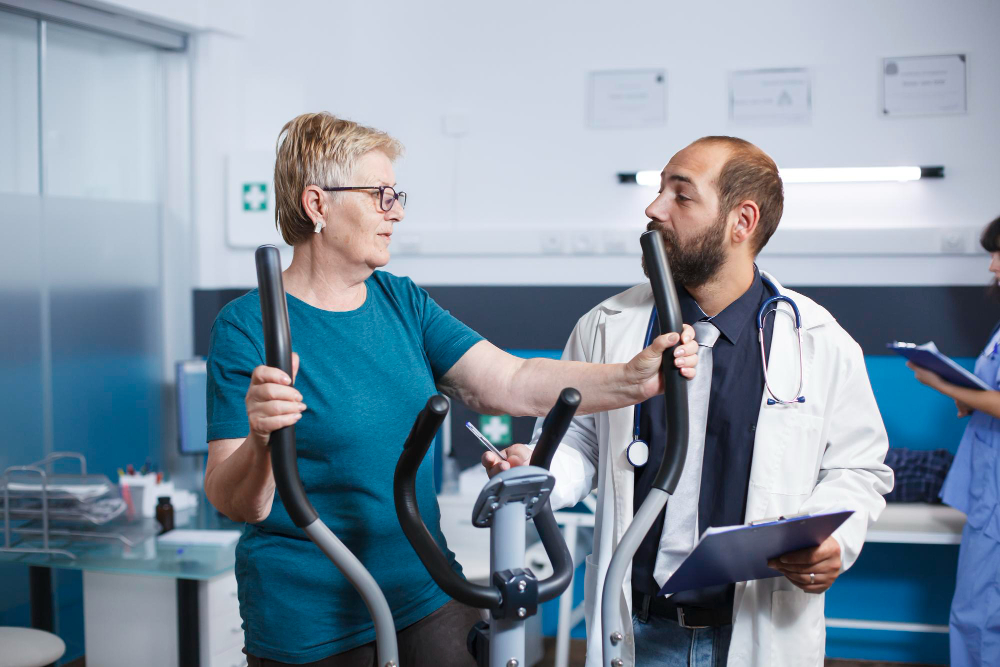
What is Cardiac Rehabilitation?
Cardiac rehabilitation is a special program for people with heart problems. It helps you recover after a heart attack, heart surgery, or other heart issues. In fact, a cardiac rehab program includes safe exercise for heart patients, education, and support. The goal is to improve your heart health and help you live better. According to the CDC, cardiac rehab can lower your risk of future heart problems.
Who Needs Cardiac Rehabilitation?
Many people can benefit from cardiac rehabilitation. For example, you may need it if you have had:
Sometimes, your doctor may suggest cardiac rehab for other heart conditions. However, not everyone is a candidate. Always talk to your doctor to see if it is right for you.
Key Benefits of Cardiac Rehabilitation
Cardiac rehabilitation offers many benefits. For instance, it can help you:
Moreover, studies show that people who join a cardiac rehab program live longer and feel better.
The Cardiac Rehabilitation Process
Cardiac rehabilitation usually has three main phases. Each phase helps you step by step.
Phase 1: In the Hospital
This phase starts while you are still in the hospital. Here, you begin gentle movements and learn about heart recovery exercises. Nurses and therapists guide you safely.
Phase 2: Outpatient Program
After leaving the hospital, you join a structured cardiac rehab program. You visit a rehab center several times a week. During each session, you do:
Additionally, your team checks your progress and adjusts your plan as needed.
Phase 3: Maintenance
Finally, you move to the maintenance phase. Here, you continue heart recovery exercises at home or in a community center. The goal is to keep your heart healthy for life.
How to Get Started
First, ask your doctor if cardiac rehabilitation is right for you. If so, your doctor will refer you to a local program. Next, you will meet with a team of heart specialists. They will create a plan just for you. Remember, it is important to attend all sessions and follow your plan closely. This will help you get the best results.
Lifestyle Tips for Heart Health
Besides joining a cardiac rehab program, you can take steps at home to improve your heart health after a heart attack. For example:
Over time, these habits can make a big difference in your recovery.
Frequently Asked Questions
Is cardiac rehabilitation safe?
Yes, cardiac rehab is safe for most people. However, your team will monitor you closely to keep you safe during exercise.
How long does a cardiac rehab program last?
Most programs last about 12 weeks. But, the length can vary based on your needs and progress.
Can I do cardiac rehab at home?
Some programs offer home-based options. Still, it is best to start with supervised sessions if possible.
Will insurance cover cardiac rehabilitation?
Many insurance plans cover cardiac rehab. However, check with your provider to confirm your benefits.
In summary, cardiac rehabilitation can help you recover and live a healthier life. Consult a cardiac rehabilitation specialist for personalized advice.