
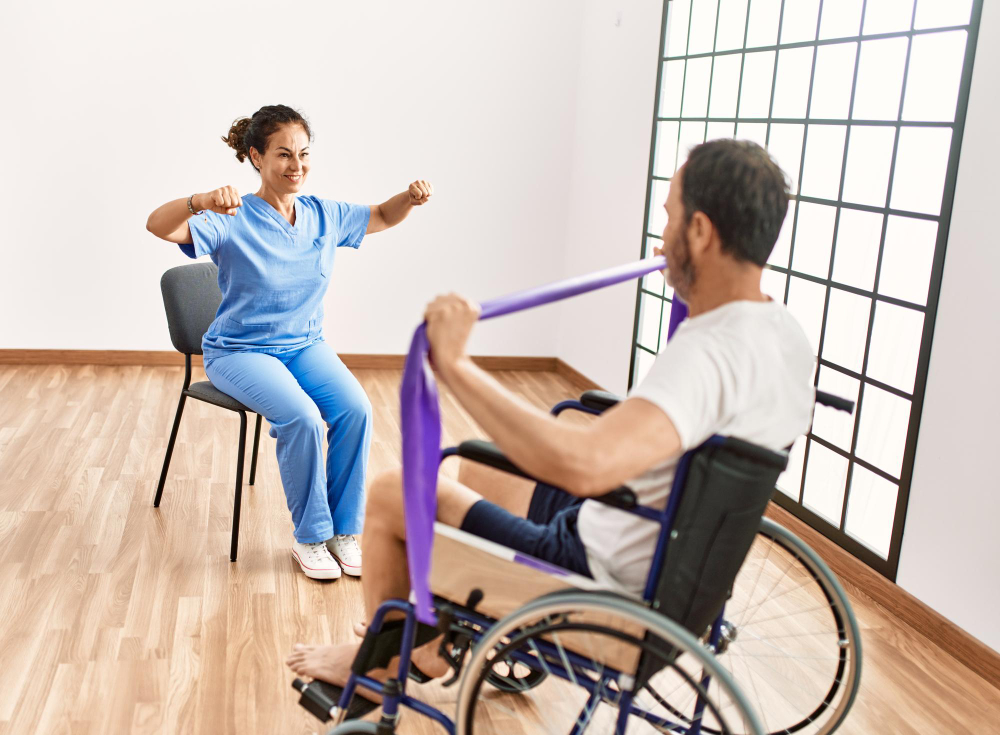
What is Post-Fracture Rehabilitation?
After a bone fracture, many people need help to move and live normally again. Post-fracture rehabilitation is a step-by-step process that helps you regain movement and independence. This care often includes physiotherapy, exercises, and daily activity training. Because bones and muscles can become weak after a break, rehabilitation is important for a full recovery. With the right support, you can return to your daily life safely and confidently.
Common Symptoms and Challenges After a Fracture
After a fracture, you may notice several symptoms and face some challenges. For example, you might feel pain or stiffness in the injured area. Swelling and bruising are also common. Sometimes, it is hard to move the joint or limb as before. In addition, you may feel weak or tired. Everyday tasks like walking, dressing, or lifting objects can become difficult. Because of these issues, many people feel frustrated or worried about their recovery. However, with proper care, most symptoms improve over time.
Goals of Rehabilitation: Movement and Independence
The main goals of post-fracture rehabilitation are to help you move better and live independently. First, the focus is on reducing pain and swelling. Next, you work on improving strength and flexibility. Over time, you learn to use the injured area safely. For many, returning to work, hobbies, or sports is also important. Most importantly, rehabilitation aims to prevent future injuries and help you feel confident in your daily life.
Stages of the Rehabilitation Process
Rehabilitation after a fracture usually happens in stages. Each stage has its own focus and goals. Here are the main steps:
Because everyone heals at a different pace, your plan may change as you recover.
Effective Physiotherapy Techniques
Physiotherapy is a key part of post-fracture rehabilitation. Skilled therapists use many techniques to help you heal. For example, they may use:
In addition, therapists teach you safe ways to move and protect your healing bone. Regular sessions and home exercises speed up recovery.
Home Care and Lifestyle Tips
At home, you can support your recovery with simple steps. For instance, always follow your doctor’s advice about rest and activity. Here are some helpful tips:
Because small steps add up, these habits can make a big difference in your recovery.
Preventing Future Injuries
After a fracture, it is important to prevent another injury. You can lower your risk by making a few changes. For example, keep your home free of tripping hazards. Wear shoes with good grip. In addition, stay active to keep your bones and muscles strong. If you have weak bones, ask your doctor about bone health checks. Eating a balanced diet and avoiding smoking also help protect your bones.
When to Consult a Specialist
Sometimes, you may need extra help during recovery. You should contact a specialist if you notice:
Because early treatment can prevent problems, do not wait to seek advice if you are worried.
For more information, you can visit trusted sources like the World Health Organization (WHO) or the Centers for Disease Control and Prevention (CDC).
Consult a physiotherapist or rehabilitation specialist for personalized recovery guidance.