
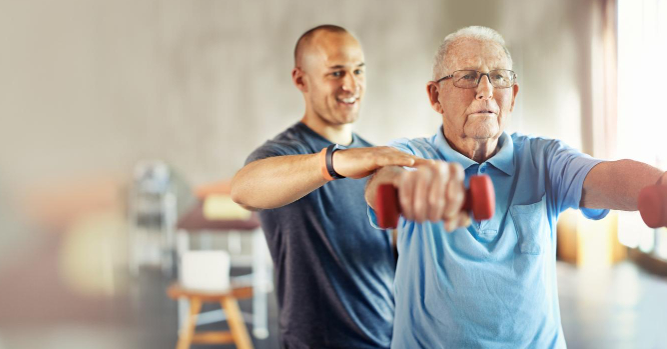
Staying active is important for seniors. Good coordination, confidence in movement, and functional strength help seniors enjoy daily life. These skills lower the risk of falls and injuries. They also support senior mobility improvement and safe movement for elderly people. With the right support, seniors can move better and feel stronger. Physiotherapy for seniors offers many ways to help. This guide explains how seniors and caregivers can boost movement, strength, and safety.
What Are Coordination, Confidence in Movement, and Functional Strength?
First, let’s define these terms. Coordination means how well your body parts work together. For example, it helps you walk, reach, or stand up safely. Confidence in movement is feeling sure about your ability to move. It means you trust your body to do what you want. Functional strength is the muscle power needed for daily tasks. This includes standing, lifting, or climbing stairs. Together, these skills help seniors stay independent and active.
Common Challenges Seniors Face
As people age, they may face new challenges. For instance, muscles can become weaker. Balance may not be as steady as before. Some seniors feel less sure when moving. This can lead to fear of falling. In addition, health problems like arthritis or stroke can make movement harder. Medications may also affect balance or strength. Because of these issues, seniors may avoid activities they once enjoyed.
How Physiotherapy Helps Seniors Improve Movement and Strength
Physiotherapy for seniors offers many benefits. Physical therapists design safe exercises for each person. These exercises build strength, balance, and flexibility. As a result, seniors can move with more confidence. Therapists also teach safe movement for elderly people. They may use tools like walkers or canes. According to the CDC, regular exercise lowers fall risk in older adults. Physiotherapy can also help manage pain and improve quality of life.
Practical Tips for Seniors: Boosting Coordination and Confidence
There are many simple ways to improve movement and strength. For best results, try these tips:
With regular practice, seniors often feel more confident and steady.
Preventing Falls and Injuries: Safety at Home and Outdoors
Preventing falls is key for senior safety. Therefore, make your home safer with these steps:
When outdoors, choose flat paths and avoid slippery surfaces. Always use walking aids if needed. The World Health Organization notes that most falls can be prevented with simple changes.
When to Consult a Physical Medicine and Rehabilitation Specialist
Sometimes, extra help is needed. If you notice frequent falls, weakness, or fear of moving, seek expert advice. A physical medicine and rehabilitation specialist can assess your needs. They create safe, effective plans for senior mobility improvement. Early support can prevent injuries and boost confidence. Do not wait if you feel unsure about your movement. Getting help early makes a big difference.
In summary, improving coordination, confidence in movement, and functional strength in seniors is possible. With the right steps, seniors can stay active and safe. Consult a physical medicine and rehabilitation specialist for personalized guidance on improving movement and strength.