
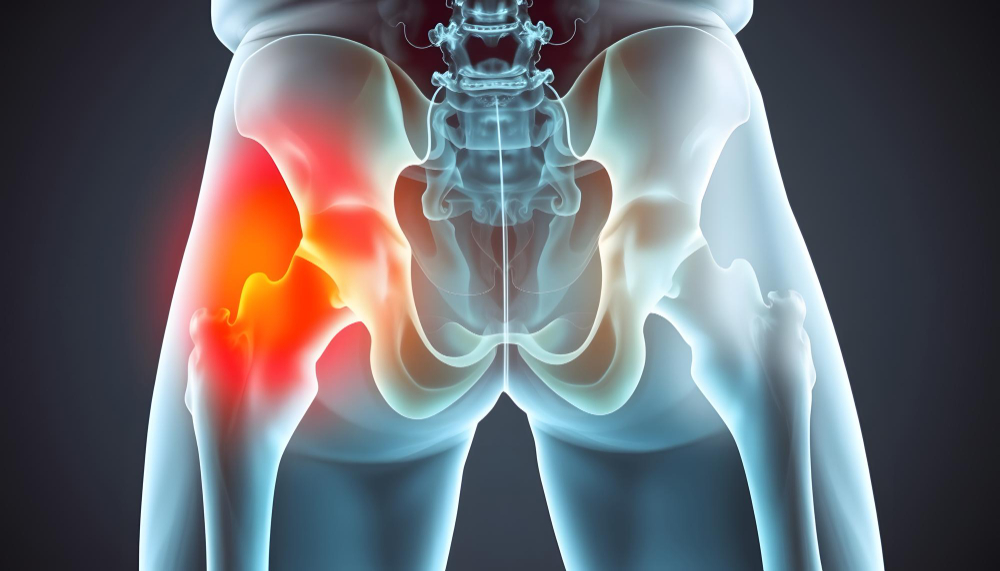
What is Sacro Iliac Joint Pain?
Sacro iliac joint pain is a common cause of lower back pain. The sacro iliac joint connects your spine to your pelvis. When this joint becomes inflamed or irritated, it can cause pain in your lower back, hips, or buttocks. For many people, sacro iliac joint pain can make daily activities hard. However, with the right care, most people can find relief. This pain can affect anyone, but it is often seen in adults. Understanding this condition is the first step toward better joint health and back pain relief.
Common Symptoms
People with sacro iliac joint pain may notice several symptoms. These can vary from person to person. However, some signs are more common than others. For example, you may feel:
Sometimes, the pain may feel sharp or dull. In addition, it can come and go or stay constant. If you notice these symptoms, it is important to seek help early.
Main Causes and Risk Factors
There are many reasons why sacro iliac joint pain can develop. Often, it is linked to how you move or use your body. Some common causes include:
Besides these causes, certain risk factors can make you more likely to get this pain. For instance, being overweight, having a previous back injury, or doing heavy lifting often can increase your risk. Knowing these factors can help you take steps to protect your joint health.
How is Sacro Iliac Joint Pain Diagnosed?
Diagnosing sacro iliac joint pain can be tricky. This is because its symptoms can look like other types of back pain. However, doctors use several methods to find the cause. First, your doctor will ask about your symptoms and medical history. Next, they may do a physical exam. During this exam, you may be asked to move in certain ways to see what causes pain. Sometimes, imaging tests like X-rays or MRI scans are used. In some cases, a special injection may help confirm the diagnosis. According to the CDC and peer-reviewed studies, early diagnosis leads to better outcomes.
Physiotherapy and Treatment Options
Physiotherapy is one of the most effective treatments for sacro iliac joint pain. With the help of a trained physiotherapist, you can learn exercises to strengthen your back and hips. These exercises help support the joint and reduce pain. In addition, physiotherapists may use:
For some people, over-the-counter pain medicine can help. However, always talk to your doctor before starting any new treatment. In rare cases, injections or surgery may be needed. Most people improve with regular physiotherapy and self-care.
Lifestyle Tips and Prevention
There are many ways to prevent sacro iliac joint pain or stop it from getting worse. For example, you can:
Additionally, stretching and strengthening exercises can help keep your joints healthy. If you have a history of back pain, talk to a physiotherapist about a safe exercise plan. Small changes in your daily routine can make a big difference.
When to See a Specialist
Sometimes, sacro iliac joint pain does not improve with home care. If your pain lasts more than a few weeks, gets worse, or stops you from doing daily tasks, it is time to see a specialist. Also, if you have numbness, weakness, or fever along with back pain, seek medical help right away. Early treatment can prevent long-term problems and help you return to normal activities sooner.
For the best results, consult a physiotherapist or healthcare provider for personalized advice on sacro iliac joint pain.