
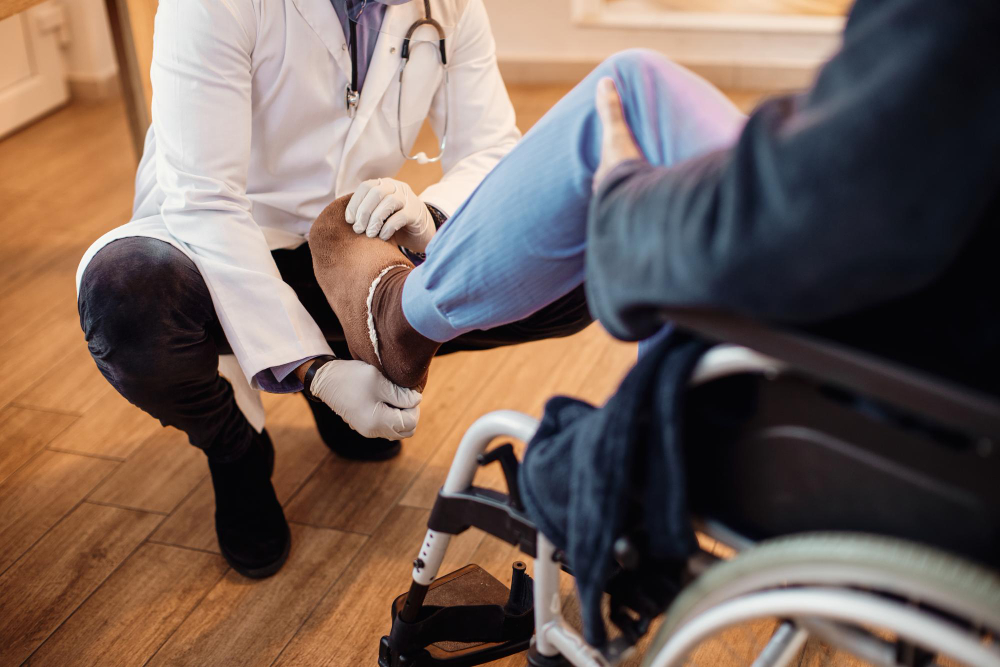
Introduction
Paraparesis is a medical condition that causes weakness in both legs. This weakness can make walking or standing difficult. Because paraparesis affects daily life, understanding it is important. Early recognition of paraparesis symptoms can help with faster treatment. In many cases, proper care and physiotherapy for paraparesis can improve quality of life. Although anyone can develop paraparesis, it is more common in adults and older people. If you live in a city or rural area, knowing about paraparesis can help you or your loved ones seek help sooner.
Symptoms of Paraparesis
Paraparesis symptoms often start slowly. However, they can also appear suddenly in some cases. Recognizing these signs early is important. Common symptoms include:
Sometimes, people may also notice changes in bladder or bowel control. If you notice any of these symptoms, it is wise to seek medical advice.
Common Causes
There are several causes of paraparesis. Some are sudden, while others develop over time. The most common causes include:
Because causes can vary, doctors use different tests to find the exact reason. According to the World Health Organization (WHO), early diagnosis can improve outcomes.
Diagnosis Methods
Doctors use several methods to diagnose paraparesis. First, they ask about your symptoms and medical history. Next, they perform a physical exam to check muscle strength and reflexes. In addition, doctors may use these tests:
With these tests, doctors can find the cause and plan the best paraparesis treatment.
Rehabilitation and Treatment Options
Paraparesis treatment depends on the cause. However, most people benefit from a mix of therapies. Physiotherapy for paraparesis is a key part of recovery. It helps improve strength, balance, and movement. Some common rehabilitation and treatment options include:
For many, combining these treatments leads to better results. According to the CDC, early rehabilitation can speed up recovery and improve independence.
Lifestyle Tips and Prevention
Although not all cases of paraparesis can be prevented, some steps may lower your risk. For example, you can:
Additionally, regular check-ups can help catch problems early. If you have a family history of nerve diseases, talk to your doctor about your risk.
When to See a Doctor
If you notice sudden weakness in your legs, seek medical help right away. Also, if you have trouble walking, lose balance often, or feel numbness, it is important to see a doctor. Early treatment can prevent further problems. In some cases, fast action can even save lives.
Conclusion
Paraparesis can affect anyone, but early recognition and treatment make a big difference. With the right care, many people regain strength and independence. Consult a specialist for personalized guidance.